Thonis-Heracleion: Egypt Beneath the Water
A submerged port, an inscribed stone, and a changing coastline reveal how archaeology puts a city back on the map.
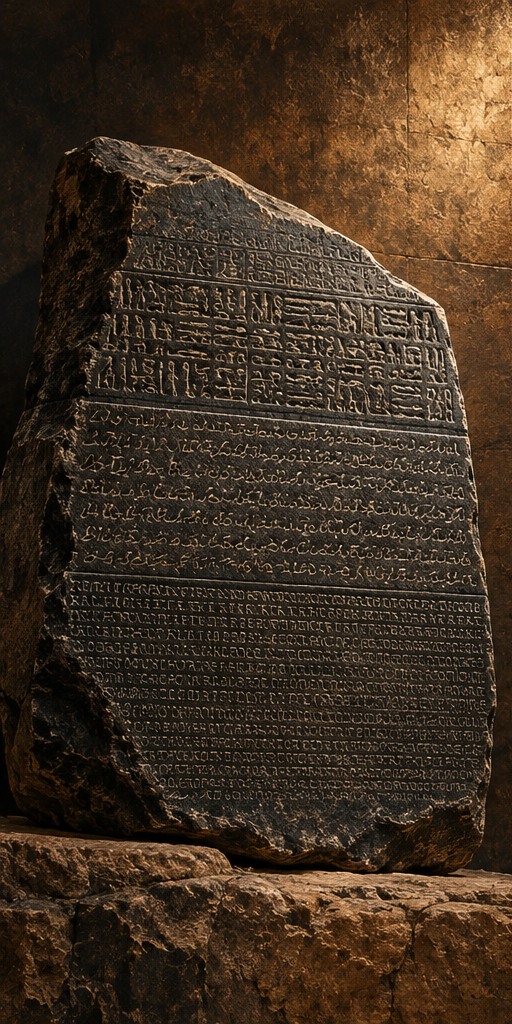
The most revealing object in a sunken city may be a piece of paperwork carved in stone. At Thonis-Heracleion, an inscribed stele helps turn an extraordinary underwater discovery into a place with a name, institutions, and a working economy.
Franck Goddio and the European Institute for Underwater Archaeology identified the site in 2000, working with Egyptian authorities. Its remains lie in Aboukir Bay, off Egypt's Mediterranean coast. Archaeological evidence established that Egyptian Thonis and Greek Heracleion were two names for the same city.
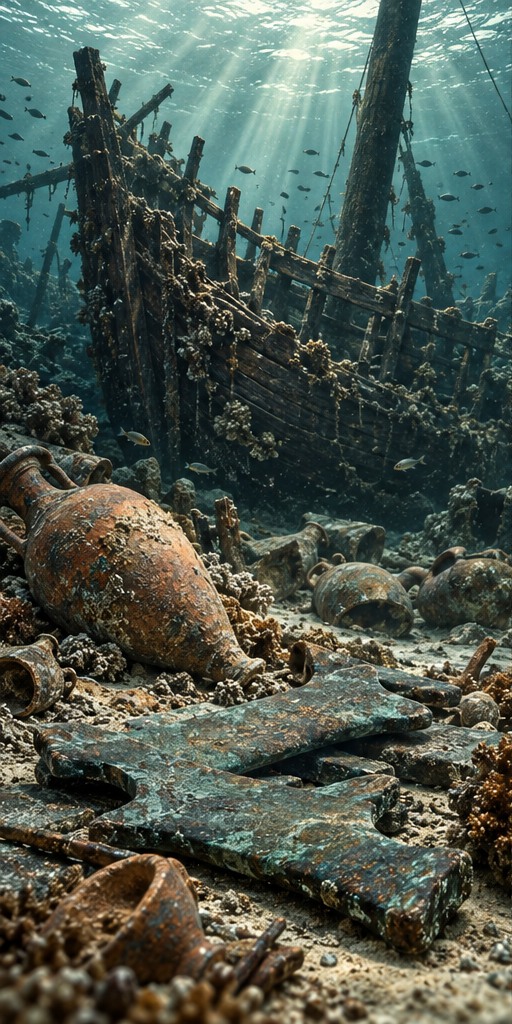
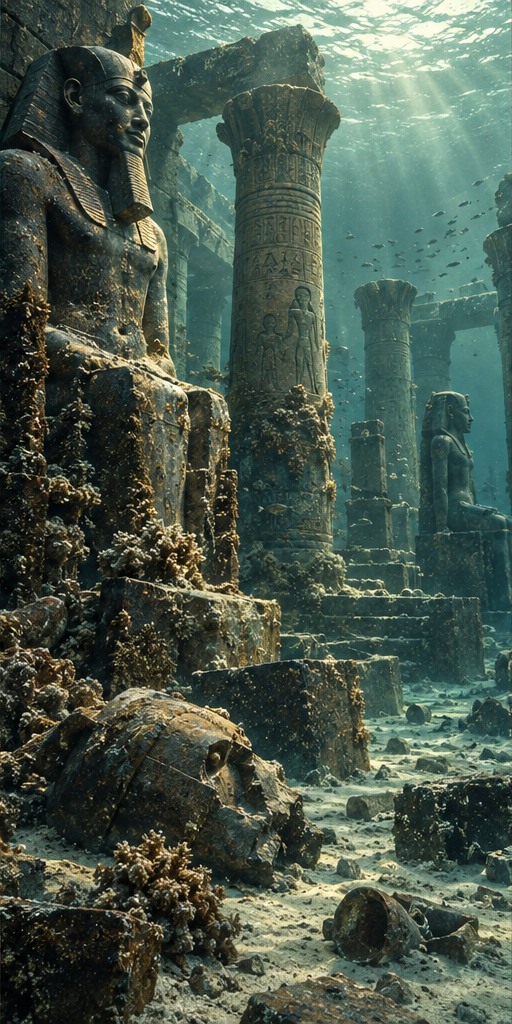
Before Alexandria's foundation in 331 BCE, this port served ships arriving from the Greek world. Harbor basins, canals, anchors, and wrecks reveal a landscape organized around water. The great temple of Amun adds another dimension: this was a religious center as well as a place of trade.
The stele bears the Decree of Sais, ordered by Pharaoh Nectanebo I. Its text concerns temple benefactions, trade, and taxation, and specifies where the monument should stand. That combination matters. A spectacular object can also preserve the administrative arrangements that made a port function.
Why is the city underwater? The excavation team's explanation involves more than a single dramatic event. Delta sediments compacted over time; waterlogged ground could also lose strength through liquefaction, producing sudden subsidence. Flooding, heavy structures, and earthquakes are among the possible contributing factors. Their roles should not be compressed into a confidently dated, one-night catastrophe.
Thonis-Heracleion invites us to look beyond the appeal of a lost city. Its evidence raises harder questions about how communities organized commerce, supported temples, and responded when the ground and water around them changed.
The reading behind the story
Sources & further reading
- Franck Goddio / IEASM: Thonis-Heracleion (opens in a new tab)
- Franck Goddio / IEASM: Stele of Thonis-Heracleion (opens in a new tab)
- Franck Goddio / IEASM: Frequently Asked Questions (opens in a new tab)
Sources checked .

The past rewards a closer look.
Discover our editorial approach.